
Objectives
The purpose of APSN shall be to promote research in neurochemistry in particular by dissemination of information, by arrangement of meetings and in other ways to encourage contact between its members. The society also intends to work closely with other bodies having similar objectives, especially with the International Society for Neurochemistry, the American Society for Neurochemistry and the European Society for Neurochemistry. Membership of the APSN is open to individual scientists, scientific societies with a significant interest in neurochemistry and to corporations based in the Asian Pacific region. APSN aims to promote research in neurochemistry in particular by dissemination of information, by arrangement of meetings and to encourage contact between its members. Individuals, societies and corporations interested in joining APSN are encouraged to contact us directly.
NEW! When you sign up as an APSN member, you will also automatically enjoy FREE ISN membership. The Asian Pacific region holds special challenges given the extreme breadth of cultural, economic and scientific diversity in the region.
The emphasis on different aspects of neurochemistry, including biochemical, clinical, chemical, molecular biological and pharmaceutical aspects, in the different countries promises to be one of the strengths of APSN.

Officers
-

Secretary
Scientific Program Committee ChairKensuke Ikenaka
- JapanOsaka University
- Term of Office
2026-2028
-
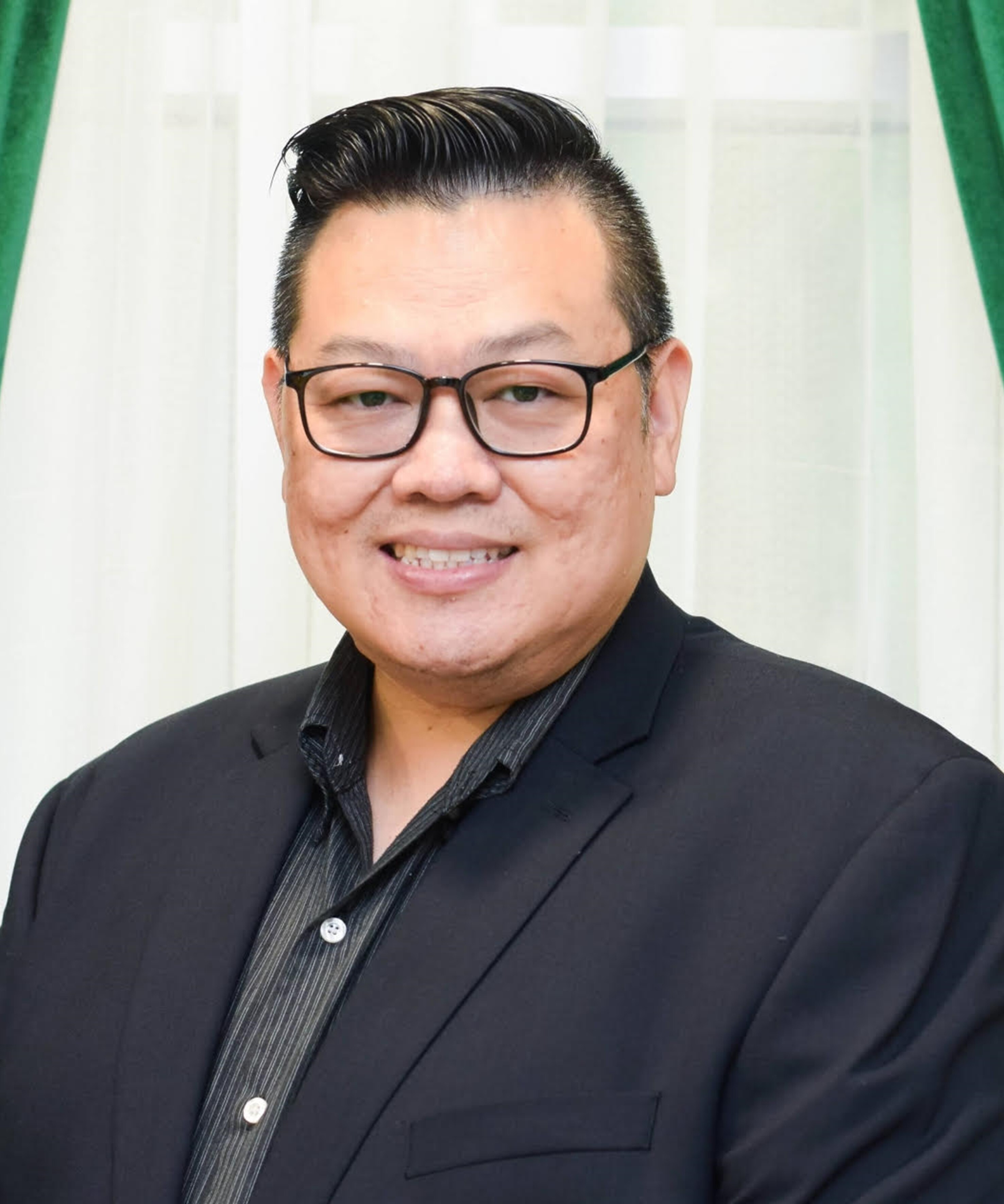
Treasurer
Regional Committee ChairKing Hwa Michael Ling
- MalaysiaUniversiti Putra Malaysia
- Term of Office
2026-2028
Councils
-
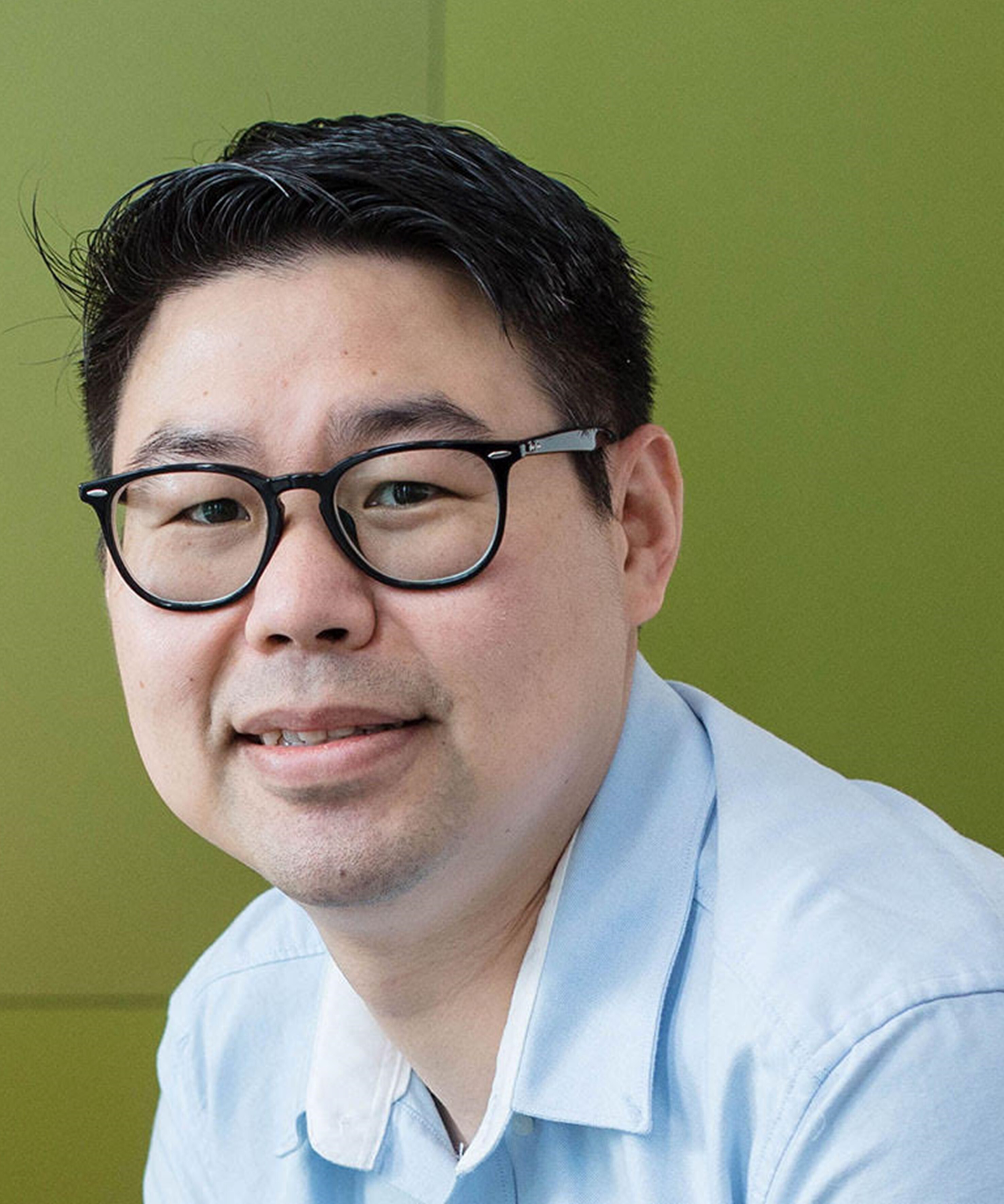
Webinar Committee Chair Victor Anggono- AustraliaThe University of Queensland
- Term of Office
2024-2028
-
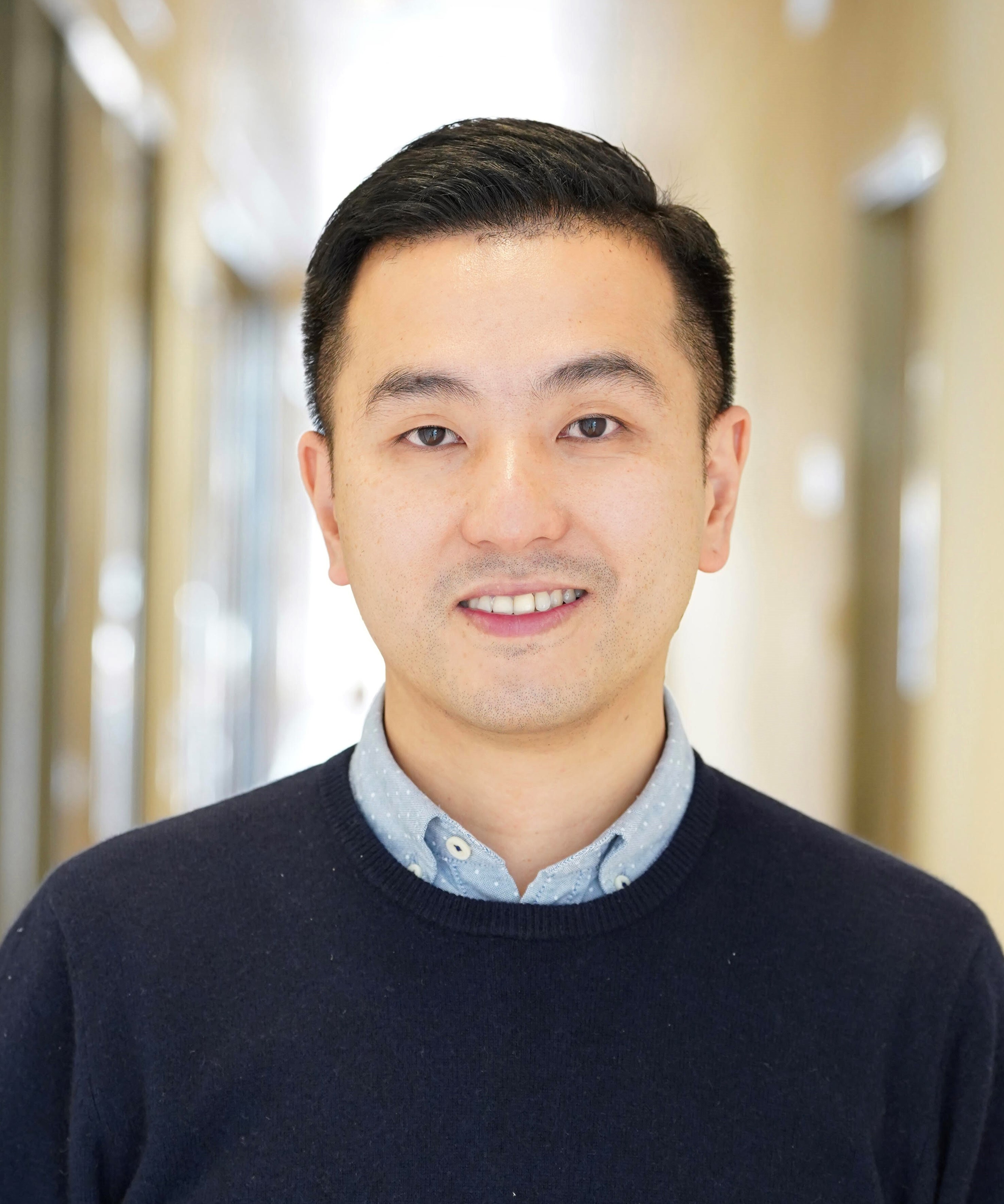
School Committee ChairJacque Pak Kan Ip- Hong Kong SAR, ChinaThe Chinese University of Hong Kong
- Term of Office
2024-2028
-
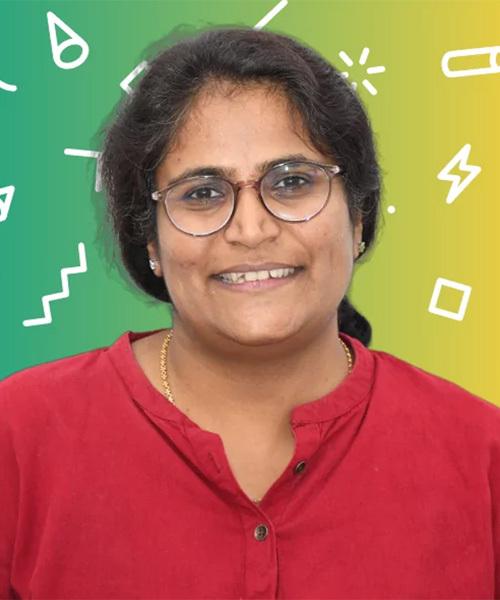
Meghana Tare- IndiaBirla Institute of Technology and Science, Pilani
- Term of Office
2026-2030
-

Membership Committee ChairMitchell Lai
- SingaporeNational University of Singapore
- Term of Office
2026-2030
-
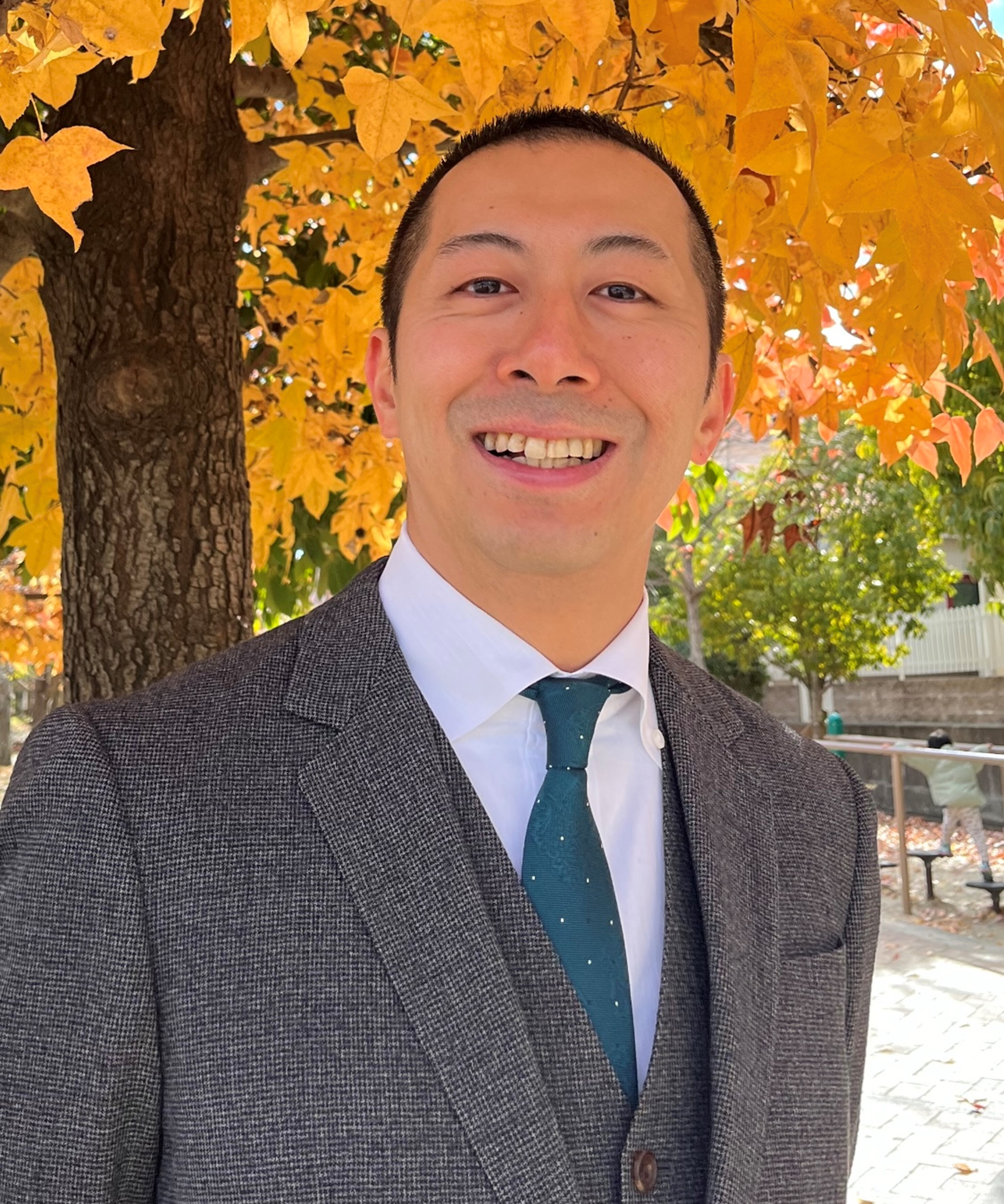
Social Media Committee ChairYuuki Fujiwara
- JapanOsaka University
- Term of Office
2024-2028
-

Christina Perry
- AustraliaMacquarie University
- Term of Office
2024-2028
-
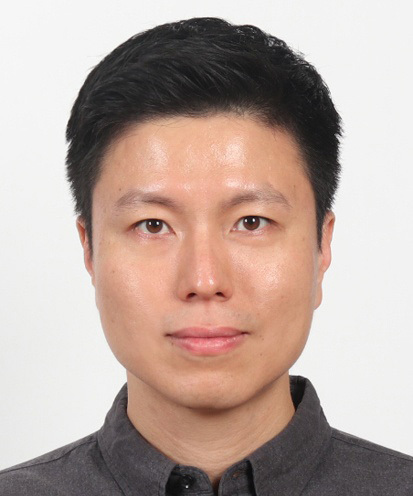
Han Kyoung Choe- South KoreaDaegu Gyeongbuk Institute of Science and Technology
- Term of Office
2026-2030
-
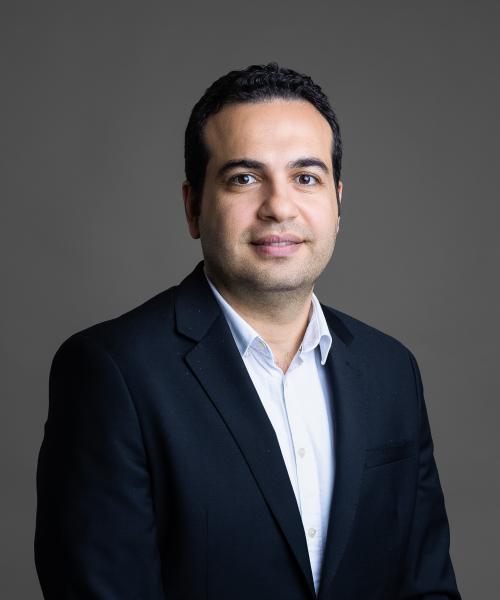
Mohammed Shaker
- QatarHamad Bin Khalifa University
- Term of Office
2024-2028
-
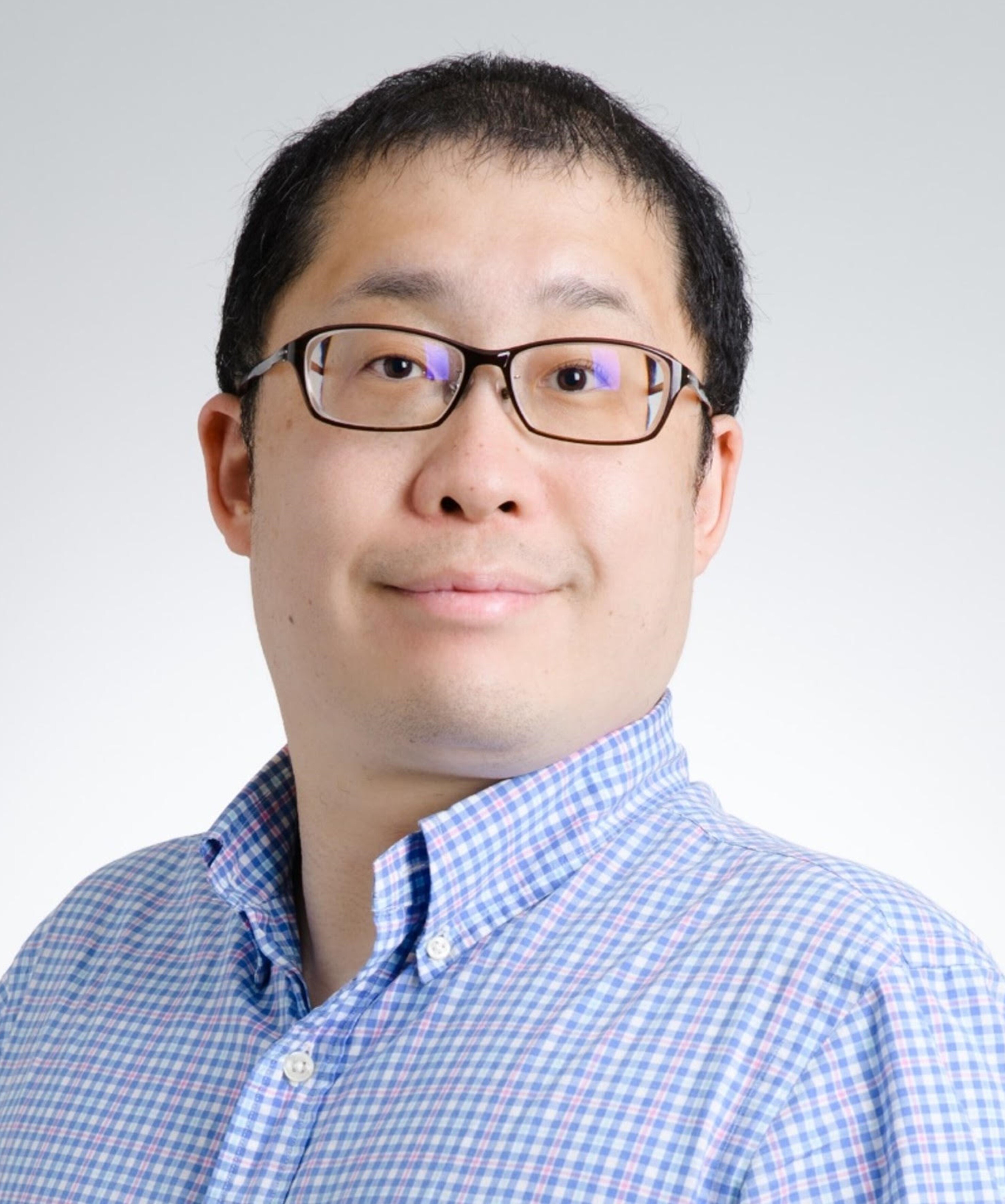
Yoshifumi Abe
- JapanKeio University
- Term of Office
2024-2028
-
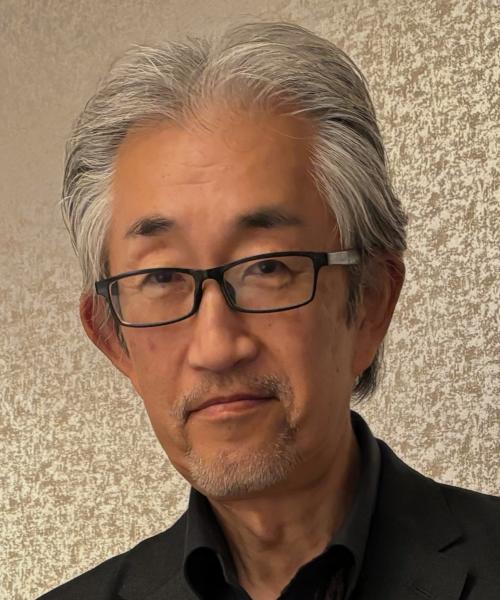
HistorianAkio Wanaka
- JapanJikei University of Health Care Sciences
-
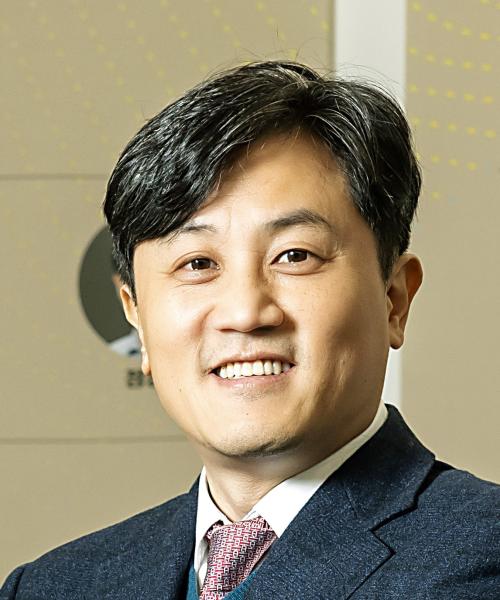
Immediate-Past PresidentWoong Sun
- South KoreaKorea University College of Medicine
Committee Members
Regional Committee
King Hwa Michael Ling (Chair) : Universiti Putra Malaysia, Malaysia
Mohammed Shaker : Hamad Bin Khalifa University, Qatar
Yong-Seok Lee : Seoul National University, South Korea
Supin Chompoopong, Mahidol University, Thailand
Battuvshin Lkhagvasuren, Mongolian National University of Medical Sciences, Mongolia
Vidita Vaidya, Tata Institute of Fundamental Research, India
Ya Ke, The Chinese University of Hong Kong, Hong Kong SAR, China
Scientific Program Committee
Kensuke Ikenaka (Chair) : Osaka University, Japan
Christina Perry : Macquarie University, Australia
Yoshifumi Abe : Keio University, Japan
Jacque Pak Kan Ip : The Chinese University of Hong Kong, Hong Kong SAR, China
School Committee
Jacque Pak Kan Ip (Chair) : The Chinese University of Hong Kong, Hong Kong SAR, China
Christina Perry : Macquarie University, Australia
Han Kyoung Choe : Daegu Gyeongbuk Institute of Science and Technology, South Korea
Webinar Committee
Victor Anggono (Chair) : The University of Queensland, Australia
Kensuke Ikenaka : Osaka University, Japan
Jacque Pak Kan Ip : The Chinese University of Hong Kong, Hong Kong SAR, China
Meghana Tare : Birla Institute of Technology and Science, Pilani, India
Membership Committee
Mitchell Lai (Chair) : National University of Singapore, Singapore
Yuuki Fujiwara : Osaka University, Japan
Mohammed Shaker : Hamad Bin Khalifa University, Qatar
Yuek Ling Chai : National University of Singapore, Singapore
Social Media Committee
Yuuki Fujiwara (Chair) : Osaka University, Japan
Mitchell Lai : National University of Singapore, Singapore
King Hwa Michael Ling : Universiti Putra Malaysia, Malaysia
Christina Perry : Macquarie University, Australia
Mohammed Shaker : Hamad Bin Khalifa University, Qatar
Laisa Umpierrez : Macquarie University, Australia
Historian
Akio Wanaka: Jikei University of Health Care Sciences, Japan
History
The Asian Pacific Society for Neurochemistry was formed at the Sydney meeting of the International Society for Neurochemistry in 1991 in order to promote neurochemistry in the Asian Pacific region. The first elected president was Emeritus Professor Graham Johnston, Professor of Pharmacology and Medicinal Chemistry, University of Sydney, Australia. It is modeled on the American and European regional neurochemistry societies, holding meetings every two years in the years when an ISN meeting is not held.
Membership of the APSN is open to individual scientists, scientific societies with a significant interest in neurochemistry and to corporations based in the Asian Pacific region. APSN aims to promote research in neurochemistry in particular by dissemination of information, by arrangement of meetings and to encourage contact between its members.
Individuals, societies and corporations interested in joining APSN are encouraged to contact us directly. The Asian Pacific region holds special challenges given the extreme breadth of cultural, economic and scientific diversity in the region. Countries already involved with the APSN include Australia, China / Beijing, China / Taipei, Hong Kong, India, Japan, Korea, Malaysia, New Zealand, Philippines, Singapore, and Thailand. APSN hopes to include other countries in the Asian Pacific region, such as Fiji, Indonesia, Nepal, Pakistan and Papua New Guinea, in the future.
The emphasis on different aspects of neurochemistry, including biochemical, clinical, chemical, molecular biological and pharmaceutical aspects, in the different countries promises to be one of the strengths of APSN.
For a more detailed account of APSN’s history, please read The Official History of the Asian-Pacific Society for Neurochemistry.
(This document was prepared by Professor Akio Wanaka.)